

Short-term business loans give you fast access to capital, typically repaid within 3 to 18 months, making them one of the most practical tools for handling immediate cash needs. Knowing how to secure short term loans the right way means understanding what lenders actually look for, what documents you need ready, and which red flags to avoid before you sign anything.
Here is what you need to get started:
- What they are: Unsecured or lightly secured business loans with repayment terms typically between 3 and 18 months, though some lenders may extend as far as 24 months
- Common uses: Payroll gaps, emergency equipment repairs, seasonal inventory, invoice timing delays
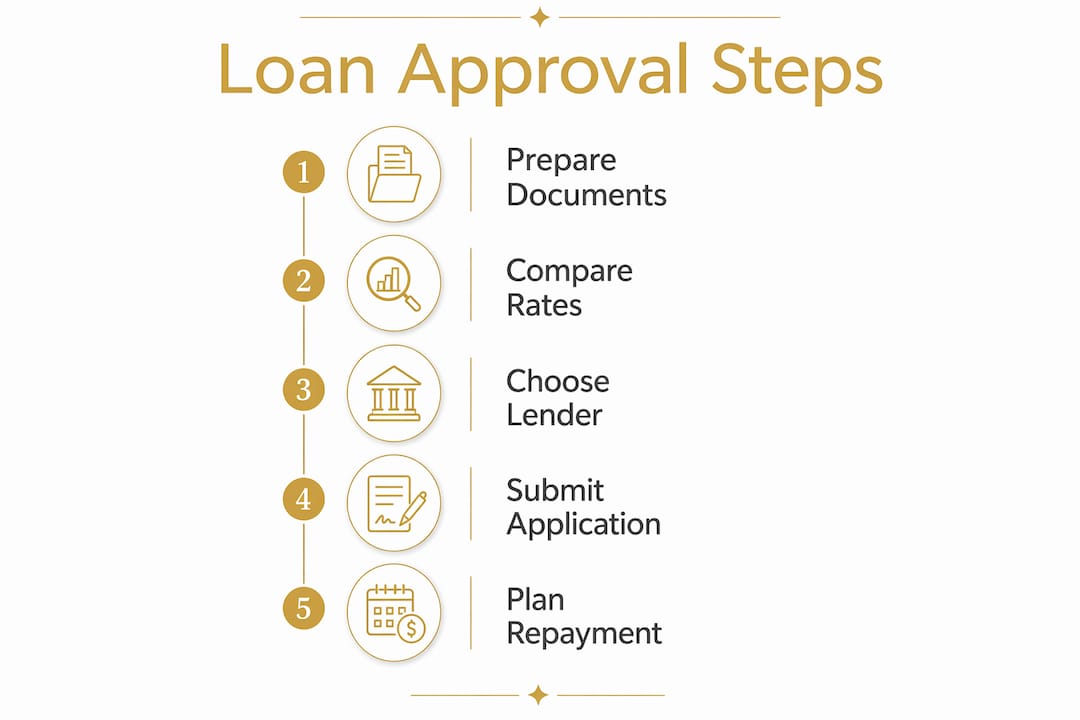
- Basic requirements: Government-issued ID, 3–6 months of bank statements, proof of revenue, active business bank account
- Funding speed: Applications take 5–20 minutes; funds can arrive the same day or within a couple of business days after approval
- Key rule: Compare APRs across at least three lenders, verify state licensure, and never borrow more than your cash flow can repay
Table of Contents
- What do short-term business loans actually cover?
- How to spot a legitimate lender and avoid predatory ones
- Common mistakes small business owners make with short-term loans
- How Emorylending supports small businesses in securing financing
- How to assess repayment risk before you borrow
- Tips for improving your approval chances
- Emorylending makes short-term business financing straightforward
- Key Takeaways
What do short-term business loans actually cover?
Repayment terms typically run 3 to 18 months, though some lenders extend to 24. The speed and flexibility are the point. You are not financing a building; you are covering a timing gap.
Common legitimate uses:
- Bridging the gap between invoicing clients and receiving payment
- Covering payroll during a slow season
- Purchasing inventory ahead of a busy period
- Handling an unexpected equipment failure
- Funding a short marketing push with a clear ROI window
Typical eligibility criteria lenders check:
- At least six months or more in business
- Annual revenue above a minimum threshold
- Credit score around 550–600 or higher
- Consistent cash flow shown across 3–6 months of bank statements
The application documentation is straightforward: government-issued ID, recent bank statements, proof of income, and your business bank account details. Errors or missing documents are the most common reason for delays, so pull everything together before you start.
How to spot a legitimate lender and avoid predatory ones
This is where many small business owners lose money. Verify any lender’s licensure through your state’s Department of Financial Institutions or Division of Banking before you share a single document. Most states publish searchable online databases.
Red flags that signal a predatory lender:
- Upfront fees required before funding
- No written loan agreement provided before signing
- Encouragement to roll the loan over rather than pay it off
- Rates far above 36% with no clear disclosure
Payday Alternative Loans (PALs) from NCUA-backed credit unions cap APRs around 28%, making them one of the safer short-term options available. The Military Lending Act caps rates at 36% APR for covered borrowers, a useful benchmark for evaluating any offer.
When comparing financing options, use APR, not flat fees. A $500 fee on a 90-day loan looks small until you annualize it.

Pro Tip: Ask directly whether the lender is a direct lender or a broker. Brokers add fees and sometimes misrepresent terms. Get the answer in writing before you proceed.
Common mistakes small business owners make with short-term loans
The biggest one is using short-term, high-cost capital to finance long-term assets. Buying equipment or funding a leasehold improvement with a 6-month loan creates monthly payments that rarely match the asset’s payback period. That is what equipment financing is built for.
Other costly mistakes:
- Using short-term loans to patch a structural cash flow problem rather than a temporary timing gap. Twelve months later, the debt remains and the underlying issue has not moved.
- Borrowing without a written repayment plan tied to specific incoming revenue
- Ignoring total cost of credit. The monthly payment looks manageable; the APR tells the real story.
- Stacking multiple short-term loans simultaneously, which compounds repayment pressure fast
Short-term loans work best as strategic tools for timing mismatches, not as substitutes for cash reserves. Review the most common financing mistakes before you commit to any offer.
How Emorylending supports small businesses in securing financing
Emorylending evaluates businesses based on cash flow and business performance, not just personal credit scores. That distinction matters for owners who have built real revenue but carry an imperfect credit history.
What Emorylending offers:
- Funding from $5,000 to $5,000,000+
- Solutions covering working capital, payroll, equipment, expansion, and receivables
- Educational resources and guides to help owners understand their options before committing
- An active blog covering loan processes, smart uses, and current financing trends
The focus on cash flow over credit means more businesses qualify, and the range of funding amounts means you are not forced into a product that does not fit your actual need.
How to assess repayment risk before you borrow
Before signing, map your cash flow for the full loan term. Identify the specific revenue source that will cover each payment. If you cannot name it, the loan is not ready.
A few practical steps:
- Calculate your debt service coverage ratio: monthly net operating income divided by total monthly debt payments. Staying above 1.25 is a reasonable target.
- Build a 30-day cash flow buffer before taking on new debt. A bank account comparison can help you find an account structure that keeps reserves visible and separate.
- Set up automatic payments to avoid missed due dates, which trigger fees and credit damage quickly.
If your cash flow projection shows a tight month mid-term, contact the lender before that month arrives. Many lenders will work with you on a modified schedule if you communicate early.
Tips for improving your approval chances
A credit score around 550–600 gets you in the door with many short-term lenders, but a higher score unlocks better rates. The gap between a 580 and a 680 can mean several percentage points of APR on the same loan amount.
Practical steps to strengthen your application:
- Pull your business and personal credit reports before applying and dispute any errors
- Reduce your credit utilization below 30% on existing revolving accounts
- Show at least 6 months of consistent deposits in your business bank account
- Avoid applying for multiple loans simultaneously; each hard inquiry affects your score
- Prepare a one-page summary of your business revenue, expenses, and the specific purpose of the loan. Lenders respond well to clarity.
Timing also affects funding speed. Applying before a lender’s daily cutoff and requesting debit card disbursement can move funds within hours rather than the next business day. Cutoff times often fall between 10:30 AM and 5:30 PM local time.
Emorylending makes short-term business financing straightforward
Most small business owners do not need a complicated process. They need capital that matches their actual situation, from a lender that evaluates their business on its merits.
Emorylending offers flexible financing for small businesses from $5,000 to $5,000,000+, with decisions based on your cash flow and business performance rather than a single credit number. Whether you need working capital, payroll coverage, equipment funding, or room to expand, the process is built to move fast without burying you in paperwork. Visit Emorylending to get started and see what your business qualifies for today.
Key Takeaways
Securing a short-term business loan safely requires comparing APRs across lenders, verifying licensure, preparing your documentation in advance, and borrowing only against identified incoming revenue.
| Point | Details |
|---|---|
| Loan terms and speed | Repayment typically runs 3–18 months, though some lenders may extend as far as 24; funds can arrive the same day or within a couple of business days after approval. |
| Eligibility basics | Most lenders require 6–12 months in business, $50,000+ annual revenue, and a credit score around 550–600. |
| Lender verification | Check state licensure databases and compare at least three lenders by APR before signing anything. |
| Avoid common mistakes | Never use short-term loans for long-term assets or to patch a structural cash flow deficit. |
| Emorylending | Evaluates businesses on cash flow, not just credit, with funding from $5,000 to $5,000,000+ for a range of business needs. |


